
 Hakaja Stock Exchange
 $HAK Mining
Bio CNG Production Cost Analysis: Key Factors Influencing Manufacturing Economics
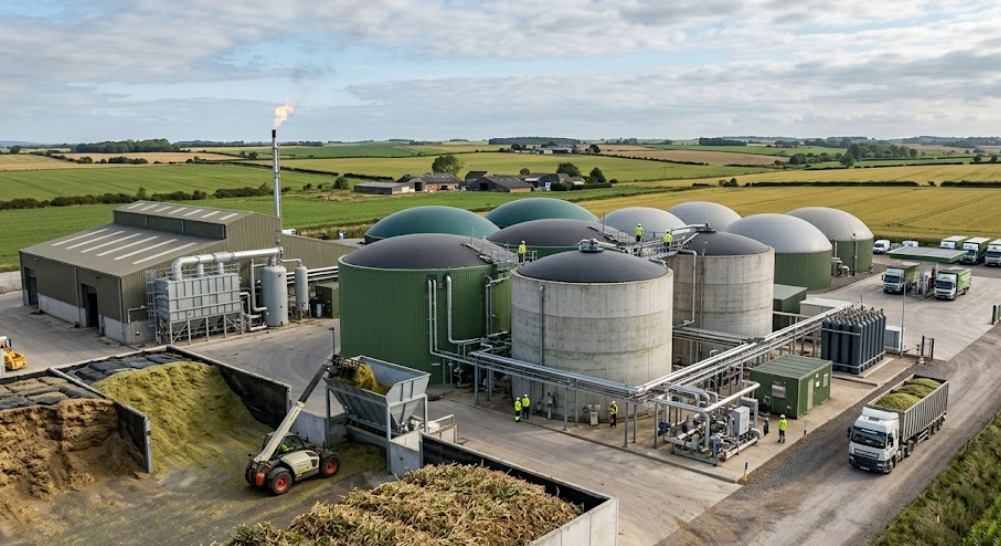
Understanding Bio CNG production cost has become increasingly important for industrial stakeholders as global energy markets undergo structural transformation. With rising demand for cleaner fuels and stricter environmental regulations, Bio CNG (Compressed Biogas) is emerging as a viable alternative to conventional fossil fuels.
For manufacturers, investors, and procurement teams, evaluating the cost of producing Bio CNG is essential due to:
- Growing global demand for renewable energy
- Supply chain uncertainties in feedstock availability
- Volatility in conventional energy prices
In this evolving landscape, a detailed Bio CNG production cost analysis enables stakeholders to optimize operations, assess project feasibility, and align with sustainability goals.
Overview of Bio CNG Manufacturing
Bio CNG is produced through the upgrading of biogas generated from organic waste. The process integrates biological and mechanical systems, making it both resource-efficient and environmentally sustainable.
Key Manufacturing Process:
- Feedstock Collection and Preparation
- Organic waste such as agricultural residues, municipal solid waste, and animal manure is collected
- Pre-treatment ensures uniformity and optimal digestion
- Anaerobic Digestion
- Microorganisms break down organic matter in oxygen-free conditions
- Produces raw biogas (primarily methane and carbon dioxide)
- Biogas Purification (Upgrading)
- Removal of CO₂, H₂S, and moisture
- Technologies include Pressure Swing Adsorption (PSA), membrane separation, and water scrubbing
- Compression and Storage
- Purified methane is compressed into Bio CNG
- Stored in high-pressure cylinders for distribution
Key Technologies:
- Anaerobic digesters
- Gas upgrading systems
- Compression units
This multi-stage process directly influences Bio CNG plant cost and operational efficiency.
Key Raw Materials and Inputs
The Bio CNG manufacturing cost is heavily dependent on feedstock quality and availability, along with energy and utility inputs.
Primary Inputs:
- Feedstock:
- Agricultural waste (crop residues)
- Animal manure
- Food and municipal waste
- Microbial Consortia:
- Essential for anaerobic digestion
- Water:
- Required for slurry preparation
- Chemicals:
- Used in gas purification and odor control
Energy and Utilities:
- Electricity for pumps, compressors, and upgrading systems
- Heat energy for maintaining digester temperature
- Cooling systems for gas compression
Cost Influence:
- Feedstock procurement and logistics are major cost determinants
- Variability in waste composition affects gas yield
- Energy costs significantly impact upgrading and compression stages
A robust raw material cost analysis is crucial for accurately estimating the Bio CNG production cost.
Major Cost Drivers in Production
The industrial production cost of Bio CNG is influenced by multiple operational and external factors.
Key Cost Components:
- Feedstock Procurement and Handling:
Largest variable cost, especially where waste collection infrastructure is limited - Energy Consumption:
Significant for gas purification and compression - Labor Costs:
Skilled operators required for plant monitoring and maintenance - Plant Maintenance:
Includes digester upkeep, compressor servicing, and pipeline integrity - Transportation and Distribution:
Costs associated with moving feedstock and delivering Bio CNG
Market Impact:
- Rising fuel prices increase logistics costs
- Seasonal availability of biomass affects feedstock pricing
- Technological efficiency influences overall Bio CNG manufacturing cost
Understanding these drivers is essential for optimizing Bio CNG production cost analysis.
Regional Cost Differences
The Bio CNG plant cost varies significantly across regions due to economic, regulatory, and infrastructural factors.
North America:
- Advanced waste management systems
- Higher labor and compliance costs
- Strong policy support for renewable fuels
Europe:
- Strict environmental regulations
- Incentives for biogas upgrading
- Higher capital and operational costs
Asia (India, China):
- Abundant feedstock availability
- Lower labor costs
- Rapid expansion of Bio CNG infrastructure
Middle East:
- Limited organic waste utilization infrastructure
- Lower energy costs but higher initial investments
Key Influencing Factors:
- Feedstock supply chains
- Government subsidies and incentives
- Energy pricing structures
- Scale of operations
These regional dynamics play a critical role in determining the cost of producing Bio CNG globally.
Impact of Market Trends on Production Economics
The Bio CNG sector is being reshaped by broader energy and environmental trends.
Key Trends:
- Green Manufacturing:
Emphasis on circular economy and waste-to-energy solutions - Decarbonization:
Governments promoting low-carbon fuels - Energy Transition:
Shift from fossil fuels to renewable gas - Integration with Hydrogen Economy:
Bio CNG infrastructure supporting future hydrogen blending
Economic Implications:
- Increased investment in advanced upgrading technologies
- Long-term cost benefits from renewable energy integration
- Policy-driven incentives improving project viability
These trends are redefining manufacturing economics and influencing the Bio CNG production cost structure.
Why Detailed Production Cost Intelligence Matters
Accurate chemical plant cost analysis is essential for stakeholders planning investments in Bio CNG projects.
Key Benefits:
- Feasibility Assessment:
Evaluate technical and financial viability of new plants - Procurement Optimization:
Identify cost-effective feedstock and suppliers - Operational Efficiency:
Reduce waste and improve yield - Risk Mitigation:
Anticipate market and regulatory changes
For investors and manufacturers, detailed insights into Bio CNG manufacturing cost enable better strategic decisions.
The Role of Production Cost Reports in Strategic Planning
A comprehensive Bio CNG Production Cost Report provides detailed insights into all aspects of production economics.
Such reports typically include:
- Feedstock consumption and yield analysis
- Process technology benchmarking
- Capital expenditure (CAPEX) estimates
- Operating expenditure (OPEX) breakdown
- Profitability and return on investment analysis
These insights are critical for understanding the cost of producing Bio CNG and benchmarking plant performance.
By leveraging a Bio CNG Production Cost Report, stakeholders can:
- Make informed investment decisions
- Benchmark against industry standards
- Identify cost-saving opportunities
- Enhance long-term operational planning
Final
The Bio CNG production cost is shaped by a combination of feedstock availability, energy consumption, process efficiency, and regional factors. As the global energy transition accelerates, Bio CNG is expected to play a key role in sustainable fuel systems.
Key takeaways:
- Feedstock and logistics are primary cost drivers
- Energy and upgrading technologies significantly impact costs
- Regional differences influence plant economics
- Market trends are driving innovation and efficiency